
What is PTSD?
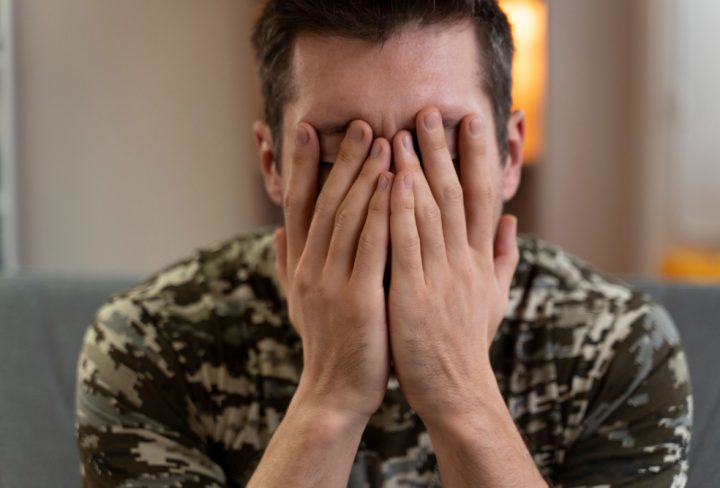
PTSD, or Post-Traumatic Stress Disorder, is a mental health condition. It can happen after someone experiences or witnesses a traumatic event. For example, people may develop PTSD after accidents, natural disasters, or violence. Although many people recover from trauma, some continue to feel stress long after the event. This ongoing stress is called PTSD. According to the World Health Organization (WHO), PTSD affects millions worldwide. It can impact daily life, relationships, and work. However, with the right support, people can manage PTSD and improve their well-being.
Common Symptoms of PTSD
PTSD symptoms can appear soon after trauma or much later. They may be mild or severe. Importantly, not everyone with trauma develops PTSD. Still, knowing the signs helps people seek help early. Common symptoms include:
Additionally, children may show different signs, such as bedwetting or acting out. If these symptoms last more than a month and disrupt daily life, it may be PTSD.
Causes and Risk Factors
PTSD can develop after any traumatic event. However, some people are more likely to get PTSD than others. Several risk factors increase the chance of developing PTSD:
According to the CDC, anyone can develop PTSD, regardless of age or background. But, people who work in high-risk jobs, like first responders or military personnel, may face a higher risk.
How PTSD is Diagnosed
Diagnosing PTSD involves a mental health professional. First, they ask about symptoms and the traumatic event. Next, they may use questionnaires or interviews. The doctor checks if symptoms have lasted more than a month and if they affect daily life. Sometimes, physical exams rule out other causes. Early diagnosis helps people get the right treatment. The American Psychiatric Association provides clear guidelines for diagnosing PTSD.
Treatment Options for PTSD
There are several effective treatments for PTSD. With the right care, many people feel better over time. Treatment options include:
In some cases, a combination of therapy and medication works best. The National Institute of Mental Health (NIMH) recommends seeking professional help for PTSD.
Lifestyle Tips and Coping Strategies
Along with medical treatment, healthy habits can support recovery. Here are some helpful tips:
Moreover, writing in a journal or joining a local support group can help. Remember, recovery takes time, but small steps make a big difference.
Prevention and Early Intervention
While it is not always possible to prevent PTSD, early support can reduce the risk. After a traumatic event, talking to someone you trust may help. Seeking help from a counselor or mental health professional soon after trauma can also make a difference. Schools, workplaces, and communities can offer resources for those affected. The CDC suggests that early intervention leads to better outcomes for people at risk of PTSD.
If you or someone you know is struggling with PTSD, do not wait. Consult a mental health professional for personalized guidance on PTSD.