
Introduction
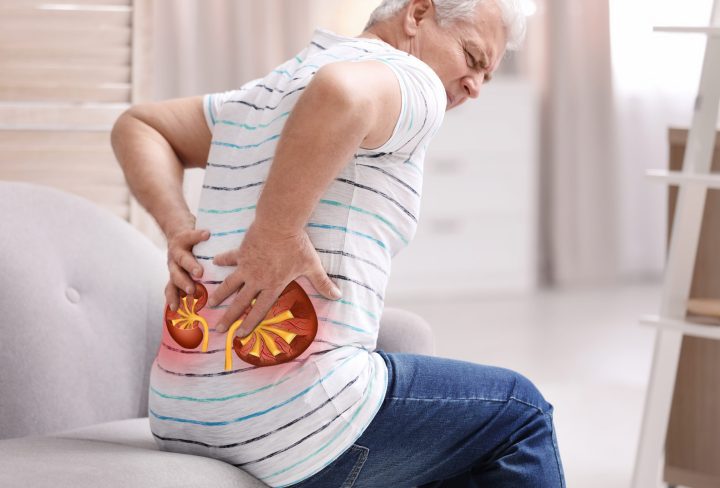
Kidney stones are hard deposits that form inside your kidneys. They can cause pain and other symptoms. Many people want to know about kidney stone symptoms, causes, and how to prevent kidney stones. In this blog, you will learn what kidney stones are, how they are diagnosed, and what you can do to avoid them. Knowing the facts can help you stay healthy and avoid problems.
What Are Kidney Stones?
Kidney stones are small, hard lumps made of minerals and salts. They form when your urine has too many minerals and not enough water. Over time, these minerals stick together and create stones. Sometimes, these stones stay in the kidney. Other times, they move into the tubes that carry urine to your bladder. This can cause pain and other issues. Most kidney stones are made of calcium, but some are made of other substances like uric acid.
Common Symptoms of Kidney Stones
Not everyone with kidney stones will have symptoms. However, when a stone moves or blocks the flow of urine, you may notice:
Because these symptoms can be caused by other problems, it is important to see a doctor for the right diagnosis.
Causes and Risk Factors
Many things can cause kidney stones. For example, not drinking enough water is a common reason. When you are dehydrated, your urine becomes more concentrated. This makes it easier for stones to form. Other causes and risk factors include:
Although anyone can get kidney stones, some people are at higher risk. Knowing your risk can help you take steps to prevent them.
How Kidney Stones Are Diagnosed
If your doctor thinks you have kidney stones, they will ask about your symptoms and medical history. Next, they may order tests to confirm the diagnosis. Common tests include:
Because early diagnosis can help prevent problems, it is important to see a doctor if you have symptoms.
Treatment Options for Kidney Stones
Treatment for kidney stones depends on the size and type of stone. In many cases, small stones pass on their own. Your doctor may suggest you drink more water and take pain medicine. However, larger stones may need other treatments. These can include:
Because each case is different, your doctor will choose the best treatment for you.
Prevention Tips and Lifestyle Guidance
Although kidney stones can be painful, you can take steps to lower your risk. Here are some tips to help prevent kidney stones:
Because prevention is easier than treatment, making small changes can help protect your kidneys.
When to See a Doctor
If you have severe pain, blood in your urine, or signs of infection like fever and chills, see a doctor right away. Early treatment can prevent serious problems. Even if your symptoms are mild, it is a good idea to talk to a healthcare provider. They can help you find the cause and suggest the best steps for your health.
Conclusion
Kidney stones are common, but you can manage and prevent them with the right steps. By knowing the symptoms, causes, and treatment options, you can protect your health. For personalized guidance on kidney stones, consult a healthcare specialist.