
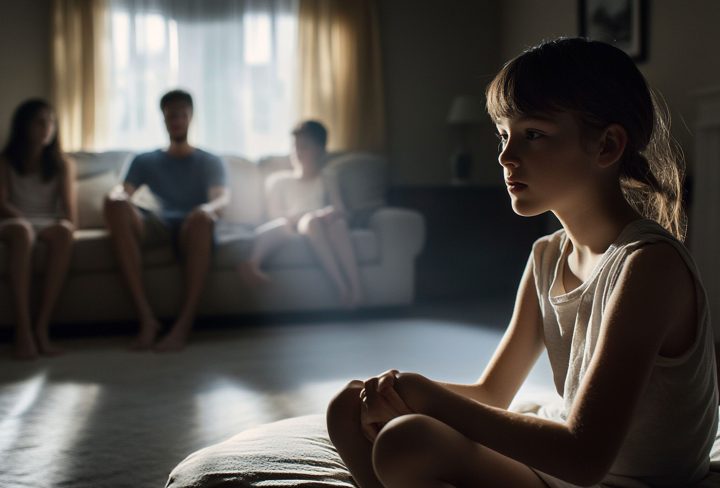
Social anxiety in children is more common than many people think. It can affect how a child feels, acts, and learns. When a child has social anxiety, they often feel very nervous or scared in social situations. This can make it hard for them to make friends or join group activities. Early support can help children manage these feelings and build confidence. In this blog, we will explore what social anxiety in children means, its symptoms, causes, diagnosis, and ways to help.
What is Social Anxiety in Children?
Social anxiety in children, sometimes called childhood social phobia, is a strong fear of being judged or embarrassed in social situations. For example, a child may worry about speaking in class or meeting new people. This fear is more than simple shyness. It can stop children from joining activities or making friends. Over time, social anxiety can affect a child’s schoolwork and happiness. However, with the right support, children can learn to manage their anxiety and feel more comfortable in social settings.
Common Symptoms
Recognizing social anxiety in children can be tricky. Yet, there are some signs parents and caregivers can watch for. Not every child will show all symptoms, but these are common:
Sometimes, children may also have trouble sleeping or complain of headaches. If these signs last for several months, it may be time to seek help.
Causes and Risk Factors
There is no single cause of social anxiety in children. Instead, several factors can play a role. For instance, children may develop social anxiety due to:
Additionally, some children are naturally more anxious than others. The Centers for Disease Control and Prevention (CDC) notes that both genetics and environment can influence a child’s risk for anxiety disorders.
How Social Anxiety is Diagnosed
Diagnosing social anxiety in children usually starts with a visit to a doctor or mental health specialist. First, the provider will ask about the child’s feelings, behavior, and any changes at home or school. Next, they may use special questionnaires or interviews to learn more. Sometimes, teachers or caregivers are also asked for their observations. The goal is to rule out other problems and find the best way to help. Early diagnosis can make a big difference in a child’s life.
Treatment Options
There are several ways to help children with social anxiety. Treatment often depends on the child’s age and how severe the symptoms are. Common options include:
According to the World Health Organization (WHO), therapy and family support are often the most effective first steps.
Practical Tips for Parents and Caregivers
Supporting a child with social anxiety can feel challenging. However, there are many ways parents and caregivers can help:
Most importantly, let your child know that it is okay to feel nervous sometimes. With your help, they can learn new skills and gain confidence.
Prevention and Early Intervention
While it is not always possible to prevent social anxiety in children, early support can make a big difference. For example, teaching children healthy coping skills and building their self-esteem can help. If you notice signs of anxiety, talk to your child and seek help early. The sooner a child gets support, the easier it is to manage symptoms and prevent problems later on. Remember, you are not alone. Many families face similar challenges, and help is available.
If you think your child may have social anxiety, consult a mental health specialist for personalized guidance on social anxiety in children.