
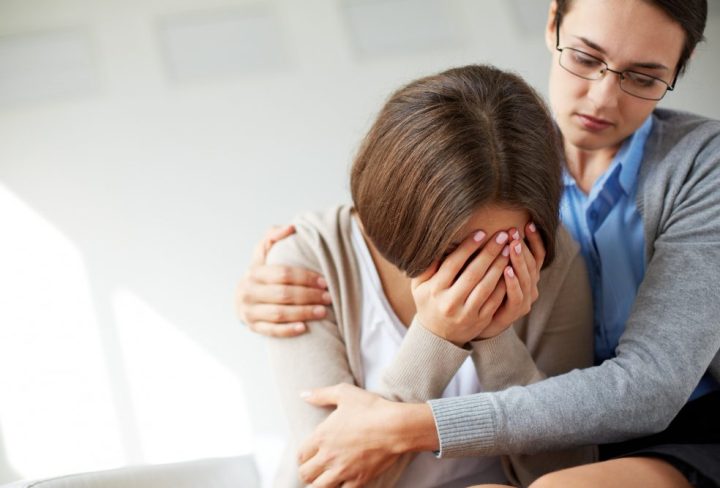
What is PTSD?
Post‑Traumatic Stress Disorder (PTSD) is a mental health condition. It can develop after someone experiences or witnesses a traumatic event. For example, this may include accidents, natural disasters, or violence. Not everyone who faces trauma will get PTSD. However, for some people, the effects last long after the event. According to the World Health Organization (WHO), PTSD can affect anyone, regardless of age or background.
Causes of PTSD
PTSD often starts after a person goes through a very stressful or frightening event. Sometimes, the trauma is a single event. Other times, it may be ongoing, like repeated abuse. Common causes include:
Additionally, people with a history of mental health issues may be at higher risk. Notably, support after trauma can lower the chance of developing PTSD.
Common Symptoms of PTSD
PTSD symptoms can appear soon after the trauma or even months later. While symptoms vary, they often fall into four main groups:
Sometimes, these symptoms make daily life hard. If you notice these signs, it is important to seek help.
Diagnosis and When to Seek Help
Doctors diagnose PTSD by talking with you about your symptoms and experiences. They may use special questionnaires or checklists. If symptoms last more than a month and affect your life, you should see a mental health specialist. Early help can make a big difference. In fact, the Centers for Disease Control and Prevention (CDC) recommends reaching out if you feel overwhelmed or unable to cope.
Treatment Options and Therapies
There are many effective PTSD treatment options. Treatment often includes:
Sometimes, a mix of treatments works best. Your doctor will help you choose the right plan.
Support Strategies for Individuals and Families
Support from loved ones plays a key role in recovery. Here are some ways to help someone with PTSD:
Additionally, self-care is important for both the person with PTSD and their family members.
Prevention and Coping Tips
While it is not always possible to prevent PTSD, some steps can help lower the risk:
Remember, coping with PTSD takes time. However, with the right support, many people recover and lead fulfilling lives.
Conclusion
PTSD is a serious but treatable condition. Early support and proper treatment can help you or your loved one heal. Consult a mental health specialist for personalized guidance on PTSD.