
Introduction
Oral ulcers are small, painful sores that appear inside the mouth. Many people notice more oral ulcers in summer. Hot weather, dehydration, and certain foods can make these mouth sores more common. In this blog, we will explain why oral ulcers in summer are frequent, their symptoms, causes, and how to prevent them. You will also find simple remedies and tips for relief.
What Are Oral Ulcers?
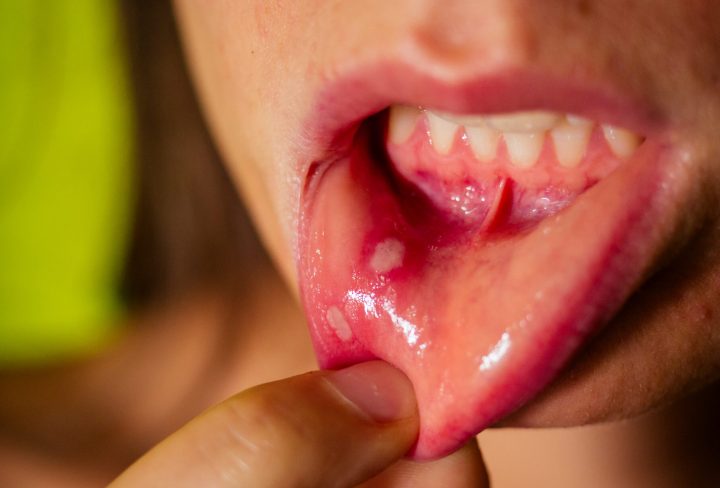
Oral ulcers, also called mouth ulcers, are open sores inside the mouth. They can form on the tongue, cheeks, gums, or lips. Usually, they are round or oval with a white or yellow center and a red border. Most oral ulcers heal on their own in one to two weeks. However, they can cause discomfort while eating, drinking, or talking.
Why Are Oral Ulcers More Common in Summer?
During summer, oral ulcers tend to appear more often. There are several reasons for this increase:
Because of these factors, summer mouth ulcers are a common problem, especially in hot climates.
Common Symptoms of Oral Ulcers
Oral ulcers have clear signs. You may notice:
Sometimes, you may also feel mild fever or swollen glands. However, these symptoms are less common.
Causes and Risk Factors
Many things can cause oral ulcers, but some triggers are more common in summer. These include:
In addition, stress, weak immunity, and certain medicines can increase your risk. If you live in a hot area, you may notice more frequent summer mouth ulcers.
Diagnosis and When to See a Doctor
Most oral ulcers are easy to recognize. Usually, you do not need special tests. However, you should see a doctor if:
Doctors may check your mouth and ask about your health. In rare cases, they may do blood tests or take a small sample for testing. According to the World Health Organization (WHO), most mouth ulcers are harmless but should be checked if they do not heal.
Treatment Options
Most oral ulcers heal on their own. However, you can try these remedies for relief:
Sometimes, doctors may prescribe stronger medicines if the ulcers are severe or keep coming back. For example, they may suggest mouthwashes or tablets to reduce pain and swelling.
Prevention Tips for Summer
Preventing oral ulcers in hot weather is possible with a few simple steps:
Additionally, try to manage stress, as it can also trigger mouth ulcers.
Lifestyle and Home Care Guidance
Taking care of your mouth at home can speed up healing. For example, you can:
Moreover, keep your mouth clean to prevent infection. If you follow these steps, you can reduce discomfort and help ulcers heal faster.
If you experience persistent oral ulcers, consult a healthcare professional for personalized advice.