
Introduction: Why This Topic Matters
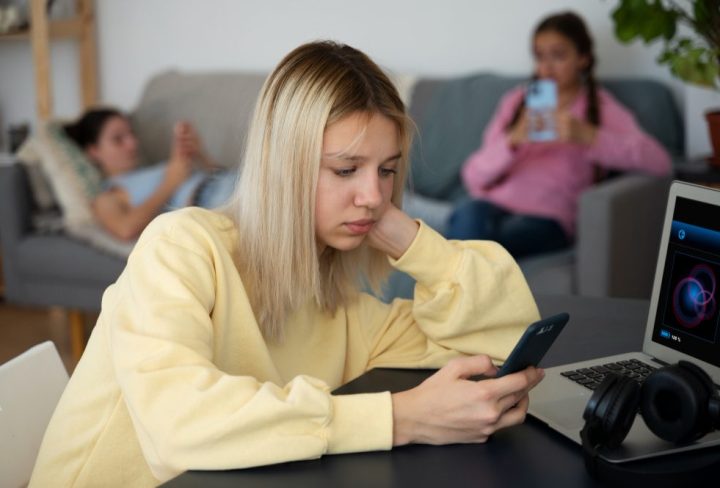
Today, the impact of social media on mental health is a growing concern. Many teens and young adults spend hours online each day. As a result, digital exposure shapes how they feel, think, and connect with others. Understanding these effects is important for families, schools, and communities worldwide.
What Are Social Media and Digital Exposure?
Social media includes platforms like Instagram, TikTok, Facebook, and Snapchat. People use these sites to share photos, videos, and messages. Digital exposure means the time spent using screens, such as phones, tablets, or computers. This includes browsing the internet, gaming, and watching videos.
Mental Health in Teens and Young Adults
Mental health is about how we think, feel, and act. For teens and young adults, this time of life brings many changes. School, friendships, and family life can all affect mood and stress. Good mental health helps young people cope with challenges and enjoy life. However, problems like anxiety, depression, and loneliness are becoming more common in this age group.
How Social Media and Digital Exposure Affect Mental Health
Social media and digital exposure can have both positive and negative effects on mental health. Let’s look at both sides.
Positive Impacts
Negative Impacts
According to the World Health Organization (WHO), too much screen time can raise the risk of mental health issues in young people.
Common Symptoms and Warning Signs
It is important to notice signs that digital exposure may be harming mental health. Watch for these symptoms:
If you notice these signs, it may be time to take action.
Causes and Risk Factors
Several factors can increase the risk of mental health problems linked to digital exposure:
Each of these can make young people feel stressed or unsafe.
Healthy Digital Habits: Evidence-Based Strategies
There are ways to use social media and digital devices in a healthy way. Here are some tips supported by experts:
According to the CDC, these steps can help protect mental health and build healthy habits.
Prevention Tips and Lifestyle Guidance
Families and individuals can work together to prevent problems. Consider these ideas:
These steps can help create a balanced and healthy lifestyle for everyone.
When and How to Seek Professional Help
Sometimes, self-care is not enough. If mental health symptoms last more than two weeks, or if there are signs of self-harm, seek help right away. You can:
Early help can make a big difference in recovery and well-being.
Conclusion
Social media and digital exposure are part of modern life. While they offer many benefits, they can also affect mental health in teens and young adults. By building healthy habits and staying alert to warning signs, families can support young people’s well-being. Consult a mental health professional for personalized advice.