
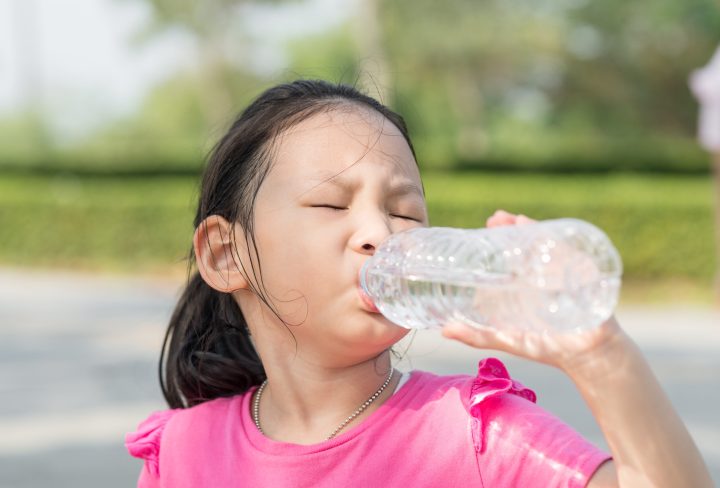
What is Dehydration in Kids?
Dehydration in kids happens when a child loses more fluids than they take in. This can make their body work less well. Because children are smaller, they can get dehydrated faster than adults. For this reason, it is important for parents and caregivers to know the signs of dehydration in children. Early action can help prevent serious problems.
Common Symptoms of Dehydration in Children
It is important to spot the signs of dehydration in children early. Sometimes, symptoms can be mild at first. However, they may get worse quickly. Watch for these signs:
If you notice these symptoms, your child may need more fluids. But if symptoms get worse, seek help right away.
Main Causes of Dehydration in Kids
There are several causes of dehydration in kids. Some are more common than others. For example, children can lose fluids quickly if they have:
Because kids may not always ask for water, it is important to offer drinks often, especially during illness or heat.
How Dehydration is Diagnosed in Children
Doctors use several ways to check for dehydration in kids. First, they will ask about symptoms and recent illnesses. Next, they will look for signs like dry mouth, sunken eyes, or low energy. Sometimes, they may check your child’s weight or skin. In some cases, doctors may order blood or urine tests. These tests help show how much fluid your child has lost. Early diagnosis helps prevent more serious problems.
Effective Treatment Options for Dehydration in Kids
Treatment for dehydration in children depends on how severe it is. For mild cases, you can often treat your child at home. Here are some steps:
However, if your child cannot keep fluids down or seems very weak, seek medical help. In severe cases, doctors may give fluids through an IV at the hospital. Quick treatment can help your child recover faster.
Tips for Preventing Dehydration in Children
Preventing dehydration in kids is easier than treating it. Here are some helpful tips:
By following these steps, you can help keep your child healthy and safe.
When to Seek Medical Help
Sometimes, dehydration in kids can become serious. You should see a doctor right away if your child:
Early medical care can prevent serious health problems.
If you suspect your child is dehydrated, consult a healthcare professional for personalized advice.