
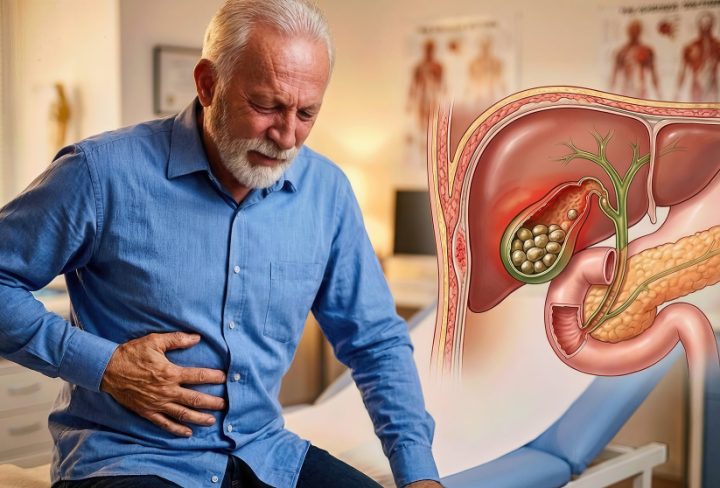
What Are Gallbladder Polyps?
Gallbladder polyps are small growths that stick out from the lining of the gallbladder. The gallbladder is a small organ under your liver. It stores bile, which helps your body digest fat. Most gallbladder polyps are not cancerous. However, some may need close monitoring. Many people discover them by accident during an ultrasound for another reason. Because gallbladder polyps are often harmless, doctors usually watch them over time. Still, it is important to know about them and understand when to seek care.
Causes of Gallbladder Polyps
Doctors do not always know why gallbladder polyps form. Yet, some factors may increase your risk. For example, certain health conditions or lifestyle habits can play a role. Here are some common causes and risk factors:
In rare cases, gallbladder polyps may be linked to cancer. However, most polyps are benign, which means they are not cancerous.
Symptoms and When to See a Doctor
Most people with gallbladder polyps do not have symptoms. In fact, many find out about them during tests for other health issues. However, some people may notice signs if the polyps are large or cause problems. For instance, you may experience:
Because these symptoms can also occur with other gallbladder problems, it is important to see a doctor if you notice them. Early diagnosis of gallbladder polyps can help prevent complications. Especially if you have risk factors, regular check-ups are helpful.
How Gallbladder Polyps Are Diagnosed
Doctors use several methods to find and diagnose gallbladder polyps. Usually, an ultrasound is the first step. This test uses sound waves to create pictures of your gallbladder. It is safe and painless. Sometimes, doctors may use other imaging tests, such as:
After finding a polyp, your doctor will look at its size and shape. Polyps smaller than 1 centimeter are often watched over time. However, larger polyps may need more tests or treatment. If you have a family history of gallbladder cancer, your doctor may suggest closer monitoring. Regular follow-up is key for safe management.
Management and Treatment Options
Treatment for gallbladder polyps depends on their size and risk factors. For most people, no treatment is needed. Instead, doctors may suggest regular ultrasounds to watch for changes. However, some cases require more action. Here are common management steps:
Because surgery is not always needed, your doctor will discuss the best plan for you. If you have symptoms or the polyp grows, treatment may change. Always follow your doctor’s advice for safe care.
Prevention and Lifestyle Tips
While you cannot always prevent gallbladder polyps, healthy habits may lower your risk. For example, you can:
Because early detection is important, staying aware of your health helps. Even though most gallbladder polyps are harmless, keeping a healthy lifestyle supports your overall well-being.