
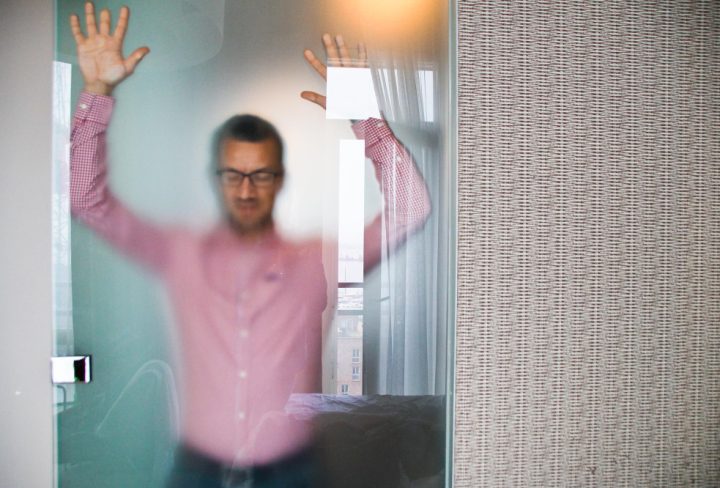
What is Claustrophobia?
Claustrophobia is a type of anxiety disorder. It causes a strong fear of enclosed or small spaces. For example, people may feel anxious in elevators, crowded rooms, or even cars. This fear can make daily life difficult. Many people with claustrophobia avoid certain places or situations. Because of this, it can affect work, travel, and social life. The fear of enclosed spaces is not just a simple worry. Instead, it can cause real distress and physical symptoms.
Common Symptoms of Claustrophobia
People with claustrophobia may notice symptoms when they are in tight spaces. Sometimes, even thinking about these places can trigger symptoms. Common signs include:
However, symptoms can vary from person to person. Some people may only feel mild discomfort, while others may have intense fear.
Causes and Risk Factors
There is no single cause of claustrophobia. Often, it develops after a stressful or traumatic event. For instance, being trapped in a small space as a child can lead to this fear. In addition, family history may play a role. If a close relative has an anxiety disorder, the risk is higher. Other risk factors include:
Still, not everyone with these risk factors will develop claustrophobia. Sometimes, it can appear without a clear reason.
How Claustrophobia is Diagnosed
Doctors or mental health professionals diagnose claustrophobia based on symptoms. First, they ask about your fears and how they affect your life. Then, they may use questionnaires or interviews. There are no lab tests for claustrophobia. However, doctors may check for other health problems that could cause similar symptoms. Early diagnosis can help you get the right treatment sooner.
Treatment Options for Claustrophobia
Thankfully, treatment for claustrophobia is available. Many people find relief with the right help. Common treatment options include:
According to the American Psychiatric Association, therapy is often very effective. However, treatment plans should be tailored to each person.
Lifestyle Tips and Coping Strategies
Besides professional treatment, self-care can help manage claustrophobia. Here are some tips:
Moreover, learning about claustrophobia can help you feel more in control. Remember, small steps can lead to big changes over time.
Prevention and When to Seek Help
While it may not be possible to prevent claustrophobia completely, early action can help. If you notice signs of fear in tight spaces, talk to a healthcare provider. Early support can stop symptoms from getting worse. You should seek help if:
In summary, professional guidance can make a big difference. The World Health Organization recommends seeking help for any mental health concern that affects your well-being.
If you or someone you know struggles with claustrophobia, consult Dr. Sivabalan Elangovan for personalized guidance.