
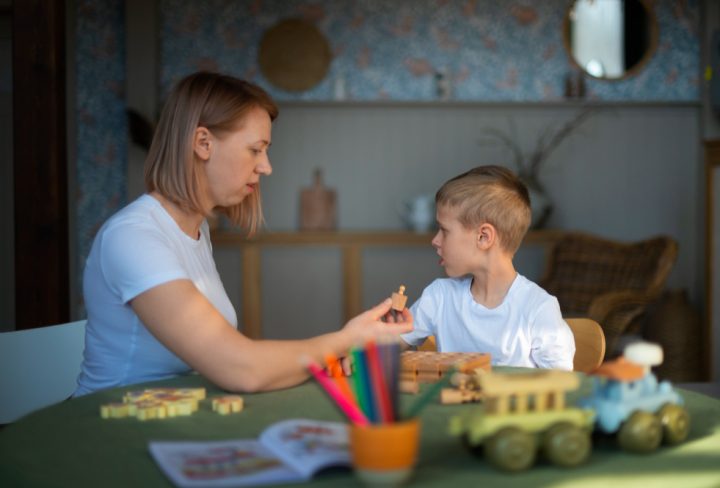
What Is Sensory Processing Disorder in Children?
Sensory Processing Disorder in children, or SPD, affects how kids handle information from their senses. For example, some children may find sounds, lights, or touch overwhelming. Others may not notice these things at all. Because of this, daily life can feel confusing or stressful for them. SPD is not a disease, but it can make learning and socializing harder. According to the CDC, early intervention for SPD can help children manage their symptoms better.
Common Signs Parents Often Miss
Many signs of SPD are easy to overlook. However, noticing these early can make a big difference. Here are some signs of SPD in kids that parents might miss:
Sometimes, these signs may look like normal childhood behaviors. Yet, if they happen often or seem extreme, it could be SPD.
Causes and Risk Factors
Experts do not know the exact cause of Sensory Processing Disorder in children. However, research suggests that genetics may play a role. In addition, children born early or with low birth weight may be at higher risk. Some studies also link SPD to other conditions, such as autism or ADHD. Still, SPD can affect any child, even without these risk factors.
How Occupational Therapy Helps
Occupational therapy for sensory issues is a proven way to help children with SPD. Occupational therapists use fun activities to teach kids how to handle sensory input. For example, they may use swings, textured toys, or games. These activities help children get used to different sensations in a safe way. Over time, kids learn to manage their reactions and feel more comfortable. Many families see big improvements with early intervention for SPD. If you live nearby, you can search for occupational therapy services in your city.
Tips for Parents and Caregivers
Supporting a child with SPD can feel challenging. However, there are simple steps you can take at home:
Above all, be patient and celebrate small successes. Every child is different, so what works for one may not work for another.
When to Seek Professional Help
If your child struggles with daily activities or seems very sensitive, it may be time to get help. Early intervention for SPD can make a big difference. You can talk to your child’s doctor or ask for a referral to an occupational therapist. Many therapists offer assessments and personalized plans. Remember, getting help early can support your child’s growth and happiness.
If you notice these signs in your child, consult a pediatric specialist or occupational therapist for personalized guidance.