
Introduction
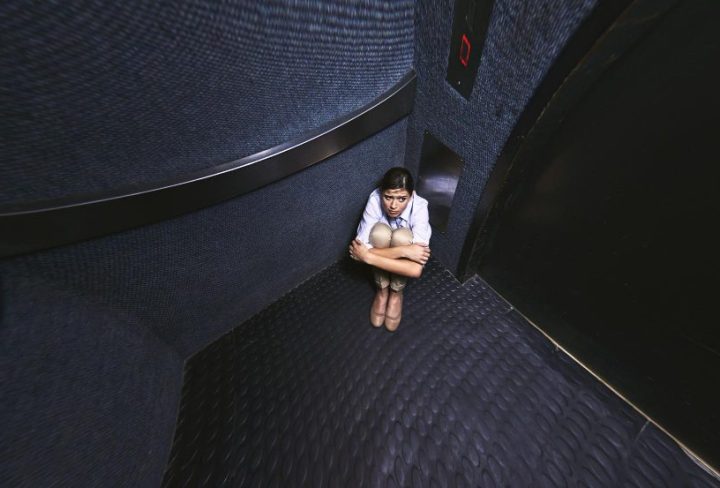
Claustrophobia is a common anxiety disorder that causes intense fear of enclosed spaces. Many people feel nervous in tight spots, but claustrophobia goes beyond normal discomfort. For some, even thinking about small rooms or elevators can trigger panic. Because this condition affects daily life, it is important to understand claustrophobia, its symptoms, and how to manage it. In this blog, we will explore what claustrophobia is, its causes, symptoms, diagnosis, and treatment options. We will also share practical tips for coping with the fear of enclosed spaces.
What is Claustrophobia?
Claustrophobia is an anxiety disorder marked by a strong fear of being in closed or crowded spaces. For example, people with claustrophobia may avoid elevators, tunnels, or even crowded rooms. This fear can cause intense anxiety or panic attacks. Although it is common to feel uneasy in tight spaces, claustrophobia is more severe and can disrupt daily activities. According to the World Health Organization (WHO), anxiety disorders like claustrophobia are among the most common mental health issues worldwide.
Common Symptoms of Claustrophobia
People with claustrophobia may notice both physical and emotional symptoms. These symptoms often appear when they are in or think about enclosed spaces. However, symptoms can vary from person to person. Common signs include:
Sometimes, even thinking about a small space can trigger these symptoms. Because of this, people may go out of their way to avoid certain places or situations.
Causes and Risk Factors
There is no single cause of claustrophobia. Instead, several factors may play a role. For instance, some people develop claustrophobia after a traumatic event, such as being trapped in a small space. Others may have a family history of anxiety disorders. In addition, certain personality traits, like being more sensitive to stress, can increase the risk. The Centers for Disease Control and Prevention (CDC) notes that both genetics and environment can influence anxiety disorders. Key risk factors include:
Although anyone can develop claustrophobia, it often starts in childhood or the teenage years.
How Claustrophobia is Diagnosed
Doctors or mental health specialists diagnose claustrophobia through a careful review of symptoms and medical history. First, they may ask about your fears, when they started, and how they affect your life. Next, they may use questionnaires or interviews to better understand your anxiety. Sometimes, doctors will rule out other medical conditions that can cause similar symptoms. There are no lab tests for claustrophobia, but a clear pattern of fear and avoidance helps confirm the diagnosis. Early diagnosis can lead to better treatment outcomes.
Effective Treatment Options
Fortunately, claustrophobia can be treated. Treatment helps reduce fear and improve daily life. The most common treatments include:
Because everyone is different, a mental health specialist can help choose the best treatment plan for you.
Tips for Managing Claustrophobia in Daily Life
Living with claustrophobia can be challenging, but there are ways to cope. For example, you can try these tips:
Although these steps may not cure claustrophobia, they can make daily life easier. Over time, small changes can lead to big improvements.
Prevention and When to Seek Help
While it may not be possible to prevent claustrophobia completely, early support can help. If you notice signs of intense fear or avoidance, talk to a mental health professional. In addition, seek help if your symptoms interfere with work, school, or relationships. Early treatment can prevent symptoms from getting worse. Remember, you are not alone, and help is available.
If you or someone you know is struggling with claustrophobia, consult a mental health specialist for personalized guidance.